WIND PRESSURE AND THE SAFETY CHALLENGE OF CURTAIN WALL SYSTEMS IN HIGH-RISE BUILDINGS
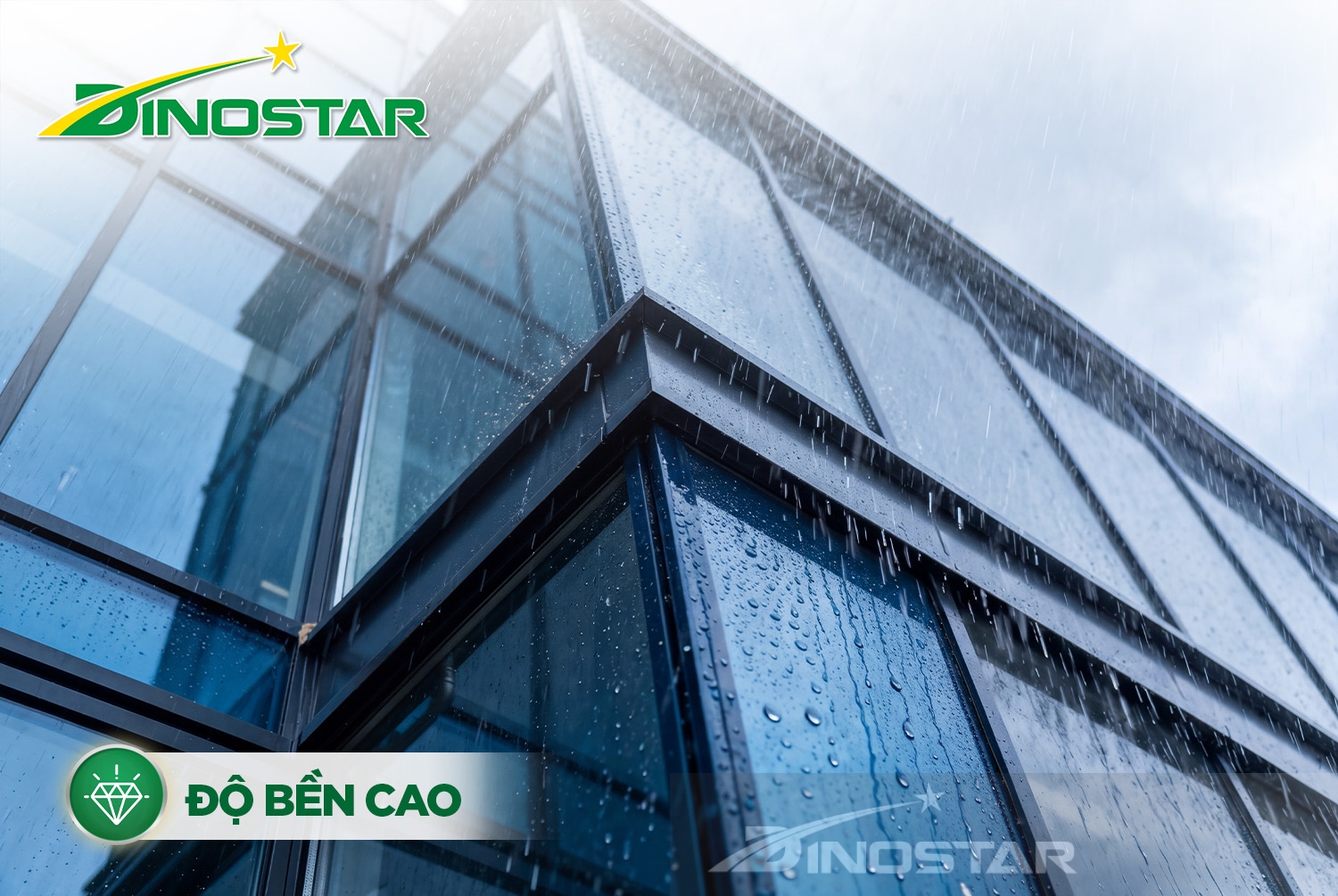
In high-rise buildings, aluminium and glass curtain walls do more than define architectural aesthetics. They also serve as the building’s protective envelope against harsh environmental conditions. Intense sunlight, heavy rainfall, humidity and, particularly, wind pressure place stringent demands on curtain wall structures. A high-quality curtain wall system must therefore deliver more than an attractive appearance; it must also provide durability, structural stability and safety throughout its service life.
1. Wind Pressure – A Major Challenge for High-Rise Curtain Wall Systems
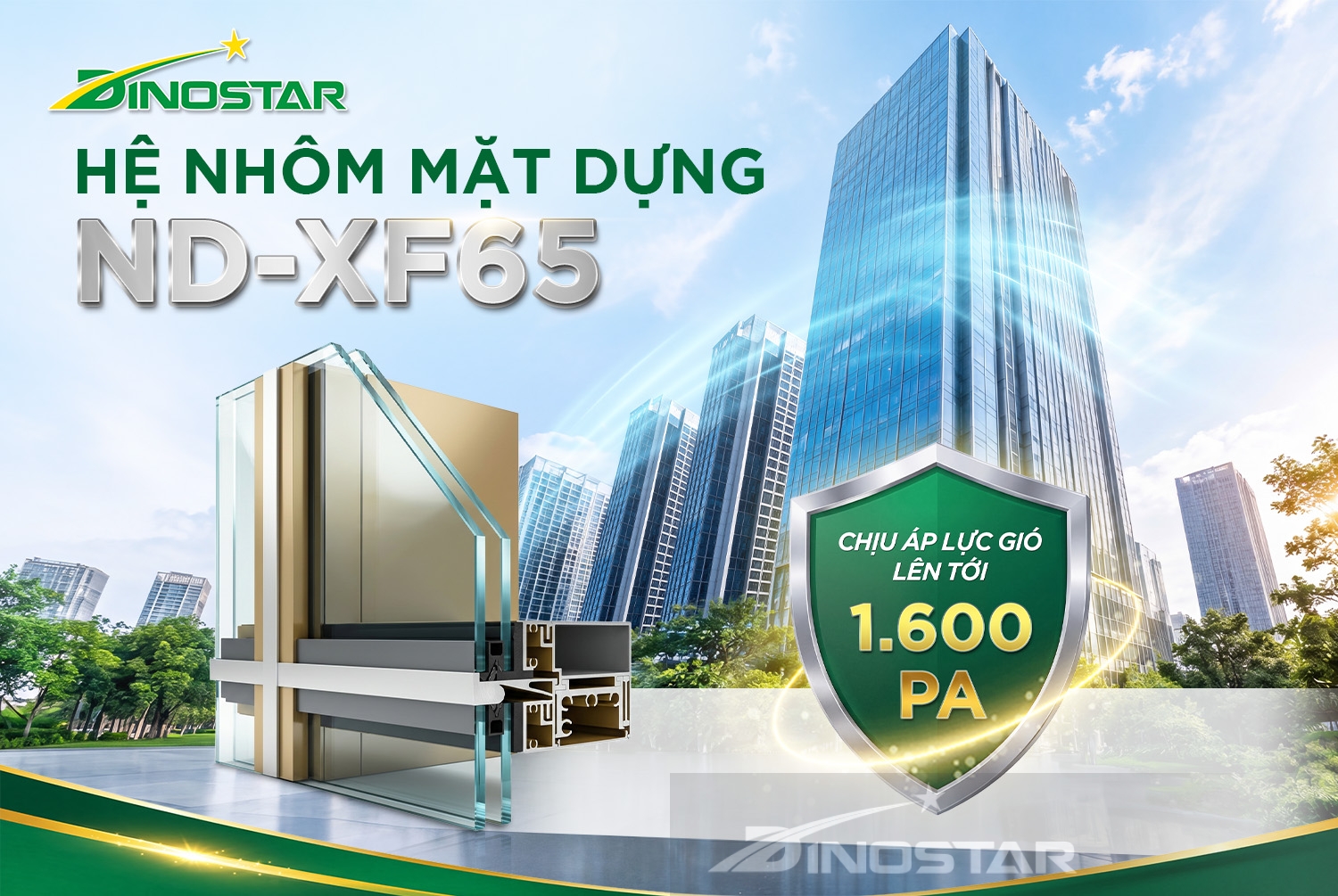
In high-rise buildings, wind acts directly on the building envelope, generating pressure on glass panels and the entire curtain wall framing system. The intensity of this pressure varies depending on building height, geographical location, surrounding terrain and weather conditions.
Under wind pressure, glass panels may experience deflection, while framing members and connection points must withstand and distribute the applied forces, transferring them to the building’s primary structure.
If the curtain wall system lacks sufficient load-bearing capacity or its connections fail to meet technical requirements, issues such as excessive vibration, structural instability, reduced airtightness and component damage may occur.
In addition, curtain wall systems must continuously withstand several other environmental challenges:
- Rainfall, sunlight and humidity: May affect material surfaces and increase the risk of oxidation and deterioration if material quality and surface treatments are inadequate.
- Temperature fluctuations: Can influence thermal performance, structural stability and indoor comfort.
- Urban noise: Particularly in densely populated areas and along major traffic routes, potentially affecting the acoustic comfort of indoor spaces.
- Safety requirements: Demand robust structural design, suitable materials and reliable performance under actual operating conditions.
These factors demonstrate that curtain wall selection must be based on a comprehensive assessment, extending beyond aesthetics to include durability, load-bearing capacity and long-term performance.
2. Dinostar ND-XF65 Stick Curtain Wall System – A Durable Solution Against Environmental Challenges
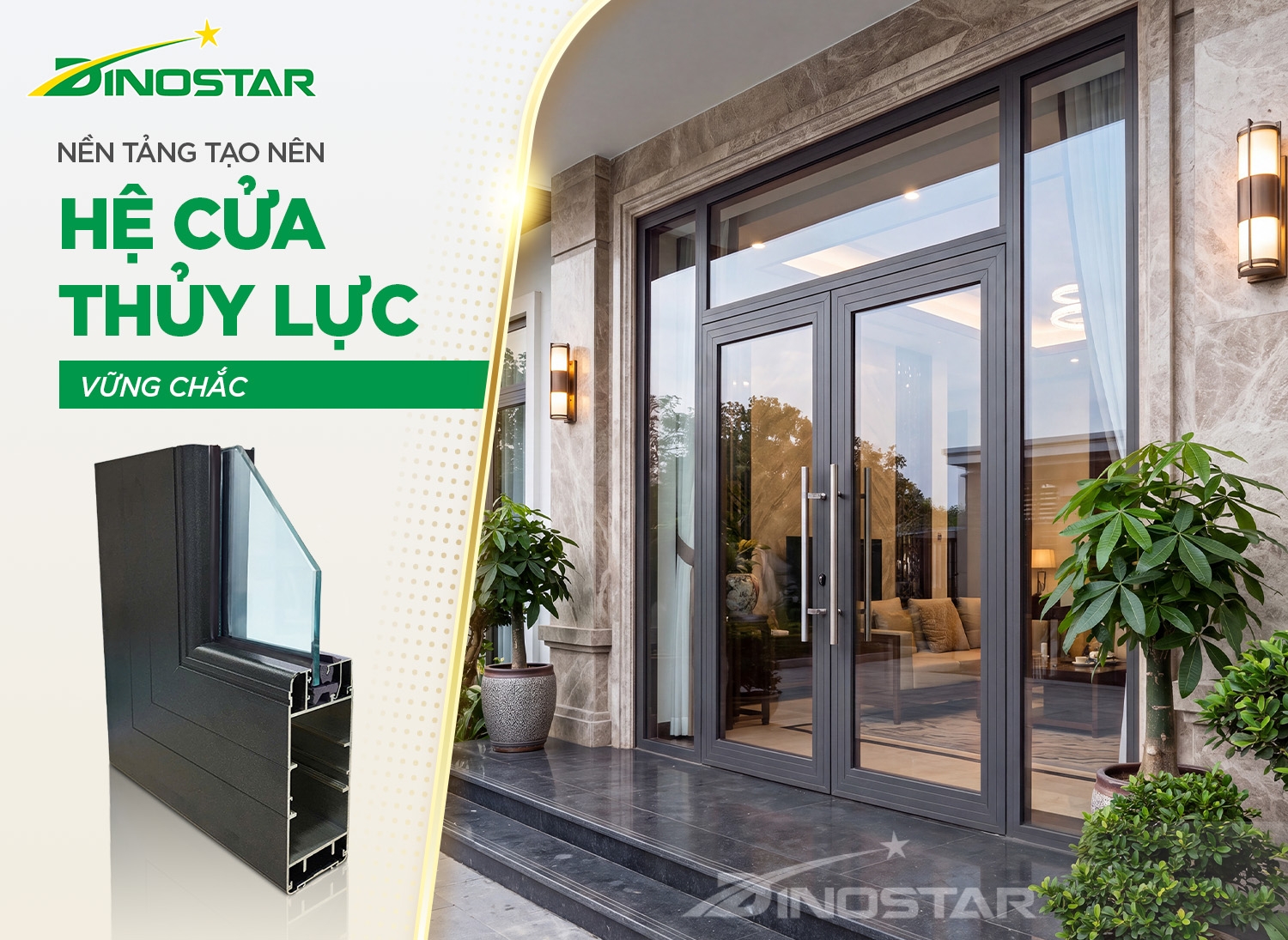
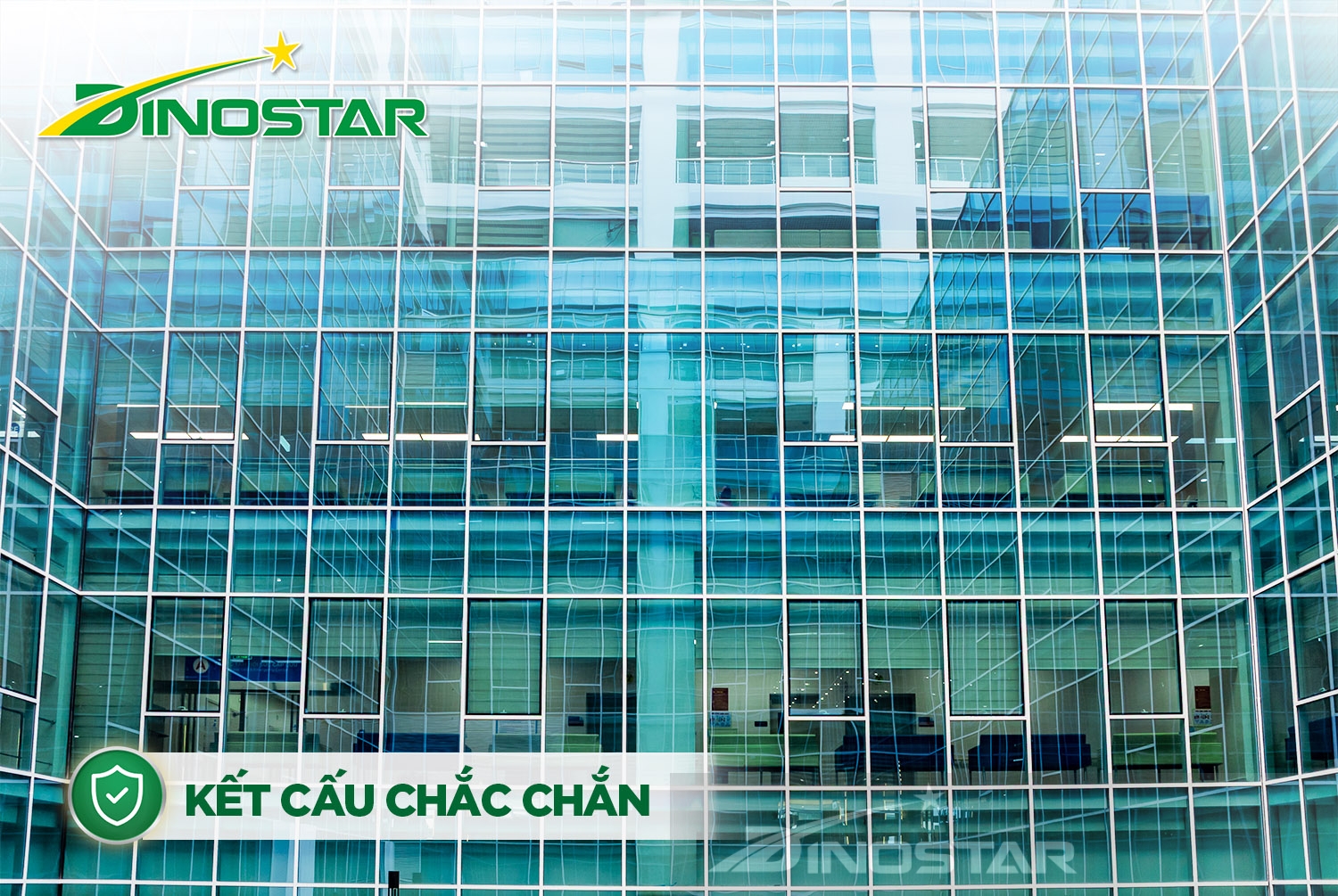
To meet the increasingly demanding requirements of modern architecture, the Dinostar ND-XF65 aluminium curtain wall system has been developed with a robust structure, good load-bearing performance and properties suited to Vietnam’s climate and operating conditions.
Wind Pressure Resistance
Wind pressure is one of the critical factors to consider when designing curtain wall systems, particularly for high-rise buildings with extensive glazed surfaces.
According to the product’s published specifications, the Dinostar ND-XF65 system offers wind pressure resistance of up to 1,600 Pa, supporting the structural stability and load-bearing requirements of curtain wall applications.
Robust Aluminium Structure and Load Distribution
Its sturdy aluminium structure, together with the framing system’s ability to withstand and distribute applied forces, helps mitigate the adverse effects of wind across the overall system. This is an important factor in maintaining reliable curtain wall performance under changing environmental conditions.
With water penetration resistance and durability against heavy rain and storms, ND-XF65 Dinostar is designed to suit Vietnam’s humid climate and variable weather conditions.
The material offers resistance to oxidation, deterioration and yellowing when regularly exposed to outdoor environments. In addition, its robust aluminium profile structure and resistance to mechanical loads and impacts contribute to improved curtain wall durability, extended service life and reduced long-term maintenance and replacement costs.
Hollow Profile Structure – Optimizing Weight and Performance
One notable feature of the Dinostar ND-XF65 system is its hollow aluminium profile structure.
This design helps reduce direct sound transmission through the aluminium members while supporting the thermal insulation performance of the curtain wall system.
Furthermore, hollow profiles optimize component weight compared with solid structures of equivalent external dimensions, helping reduce the system’s dead load. This contributes to more efficient structural design and better overall performance in modern buildings.
Material Properties – An Important Consideration for Building Safety
Beyond durability and load-bearing performance, material properties are another important consideration in curtain wall design.
Aluminium is a non-combustible material and does not sustain combustion in the same way as many conventional organic materials. This characteristic helps limit the risk of fire spreading through the aluminium components themselves.
However, aluminium can still melt when exposed to extremely high temperatures. Therefore, the fire resistance of the entire curtain wall system must be assessed based on its complete configuration, including glazing, gaskets, sealants, hardware and the fire-stopping solutions incorporated into the building design.
3. Choosing a Curtain Wall System Is More Than Selecting Materials – It Is an Investment in Long-Term Value
An effective curtain wall system must meet multiple requirements simultaneously: withstand environmental loads, maintain durability throughout its service life, support sound and thermal insulation, and ensure the stability of the overall structure.
With the ND-XF65 curtain wall system, Dinostar Aluminium delivers a solution combining robust aluminium construction, optimized profile design and wind pressure resistance of up to 1,600 Pa.
The system is developed for modern architectural projects where safety, service life and operational efficiency are top priorities.
However, to achieve the full performance potential of the curtain wall system, glass selection, component dimensioning, connection design and installation must all be carefully tailored to the specific conditions and technical requirements of each project.