DINOSTAR 6063 ALUMINIUM BILLET – THE QUALITY FOUNDATION FOR PRECISION-ENGINEERED ALUMINIUM PROFILES
The quality of an aluminium profile does not begin with the extrusion die or the finishing coating. It is established much earlier, at the billet stage, where alloy composition, metallurgical structure and material consistency lay the foundation for every subsequent manufacturing process.
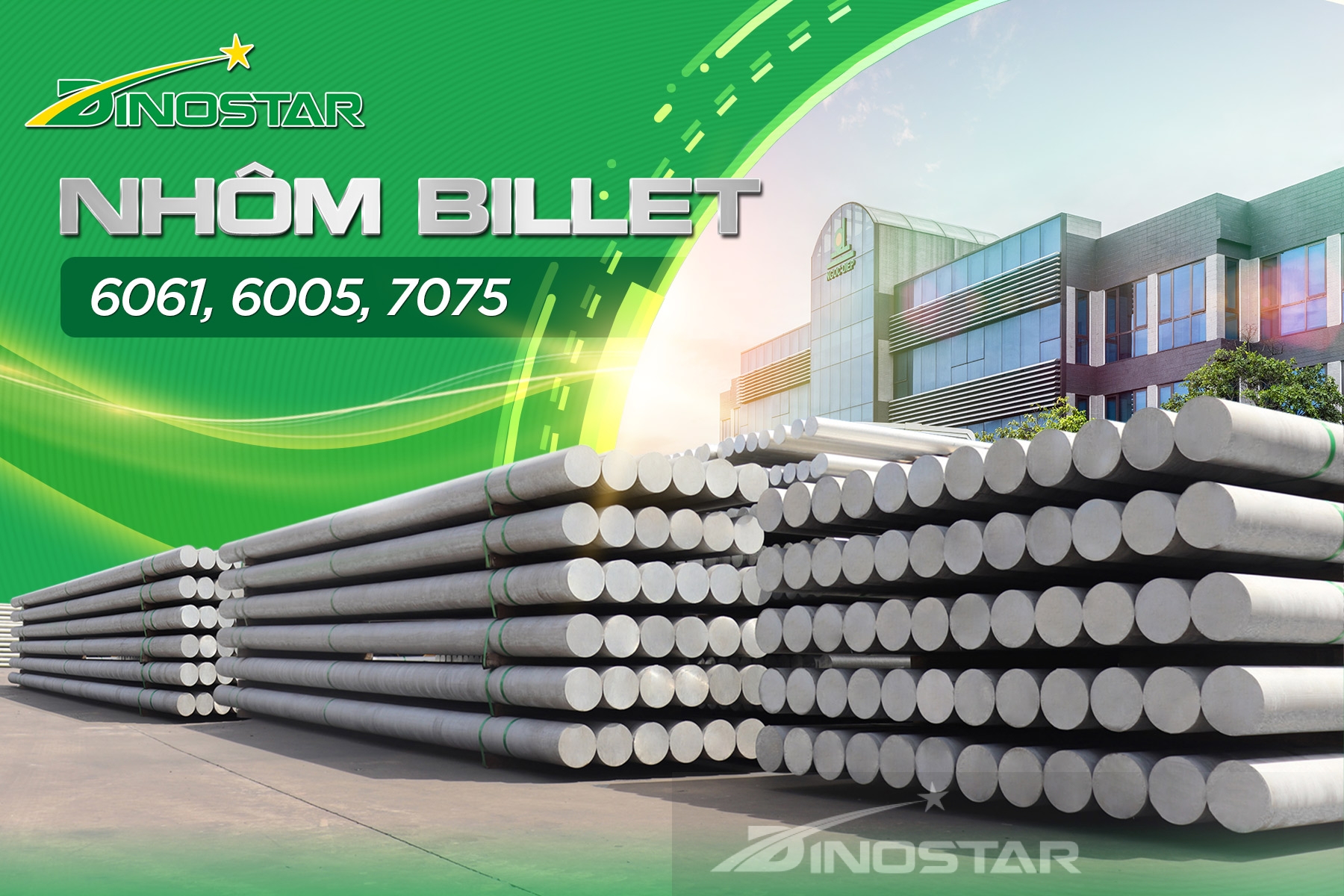
In the aluminium extrusion industry, extrusion technology determines the profile’s shape, while surface treatment defines its appearance and protective properties. However, achieving optimal results in these processes starts with the quality of the input material. A billet with the appropriate alloy composition, uniform structure and stable properties provides favourable conditions for extrusion, contributing to higher profile quality and improved production efficiency.
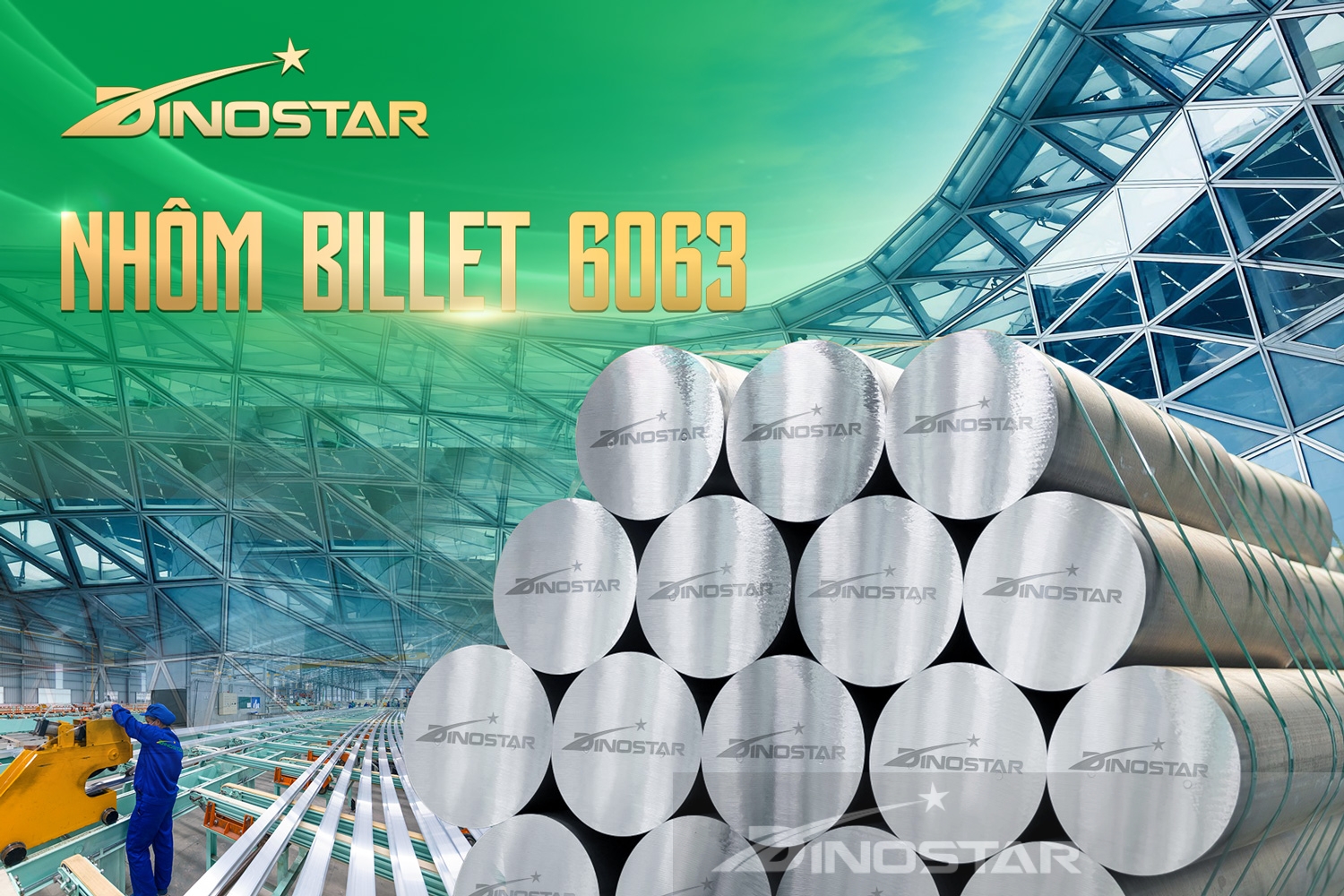
This is why 6063 aluminium billet has become one of the most widely used alloy grades in architectural aluminium applications. With a focus on quality control from the source, Dinostar Aluminium continuously enhances its billet manufacturing processes, aiming to provide a stable material supply for aluminium extrusion and fabrication businesses.
6063 Aluminium Billet – A Preferred Choice for Architectural Aluminium
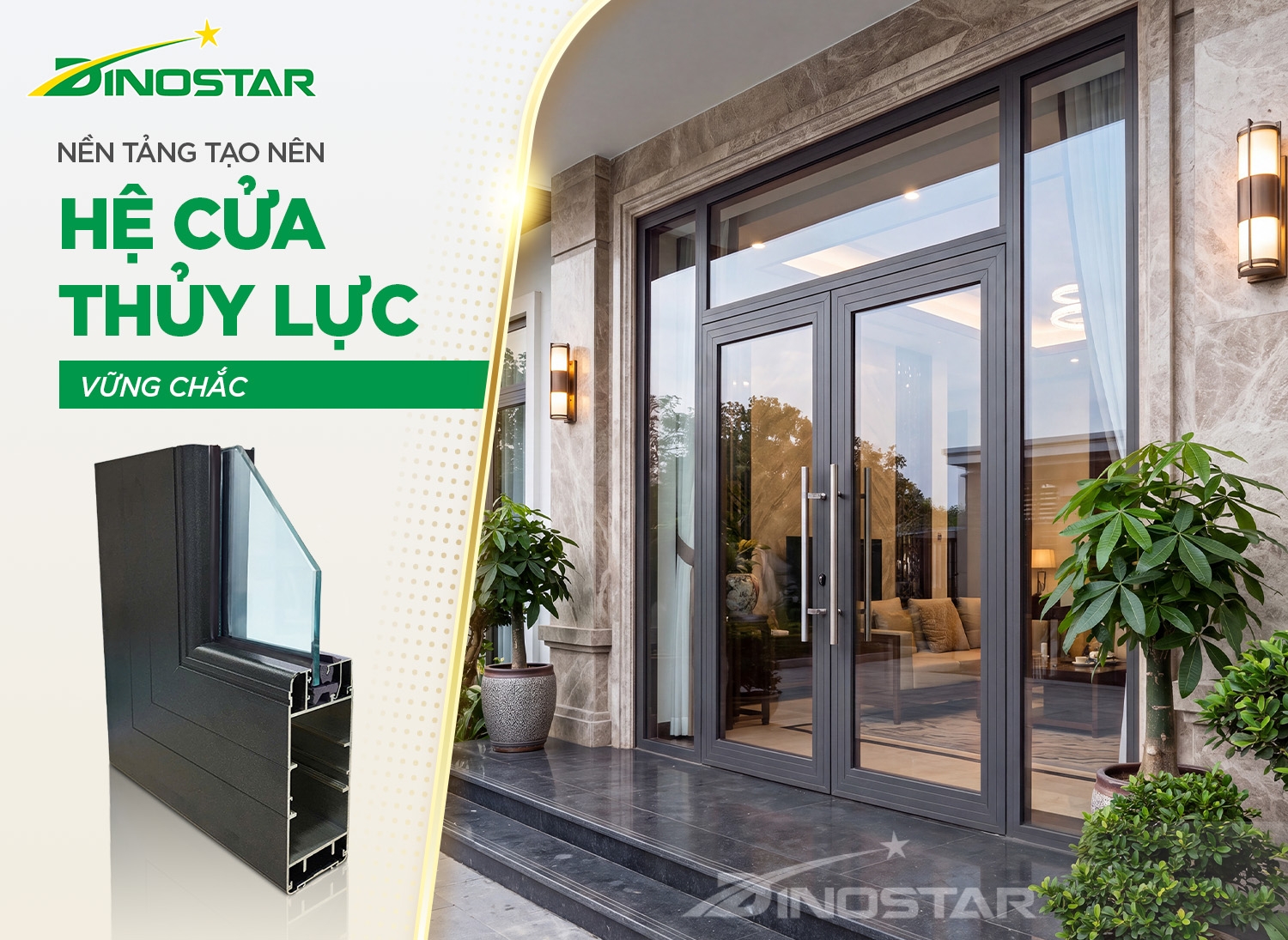
6063 is an aluminium alloy in the Al-Mg-Si series, widely used in extrusion technology thanks to its excellent formability and suitability for profiles with complex cross-sections and structures. When manufactured and heat-treated under appropriate conditions, this alloy can meet demanding requirements for surface quality, mechanical properties and post-extrusion finishing. In particular, 6063 aluminium billet is well suited to applications requiring high aesthetic standards and machining precision, including aluminium doors and windows, glass partitions, curtain wall systems, interior products and modern architectural components. Its compatibility with various surface treatment methods, from anodizing to powder coating, also gives 6063 profiles considerable flexibility in design and application.
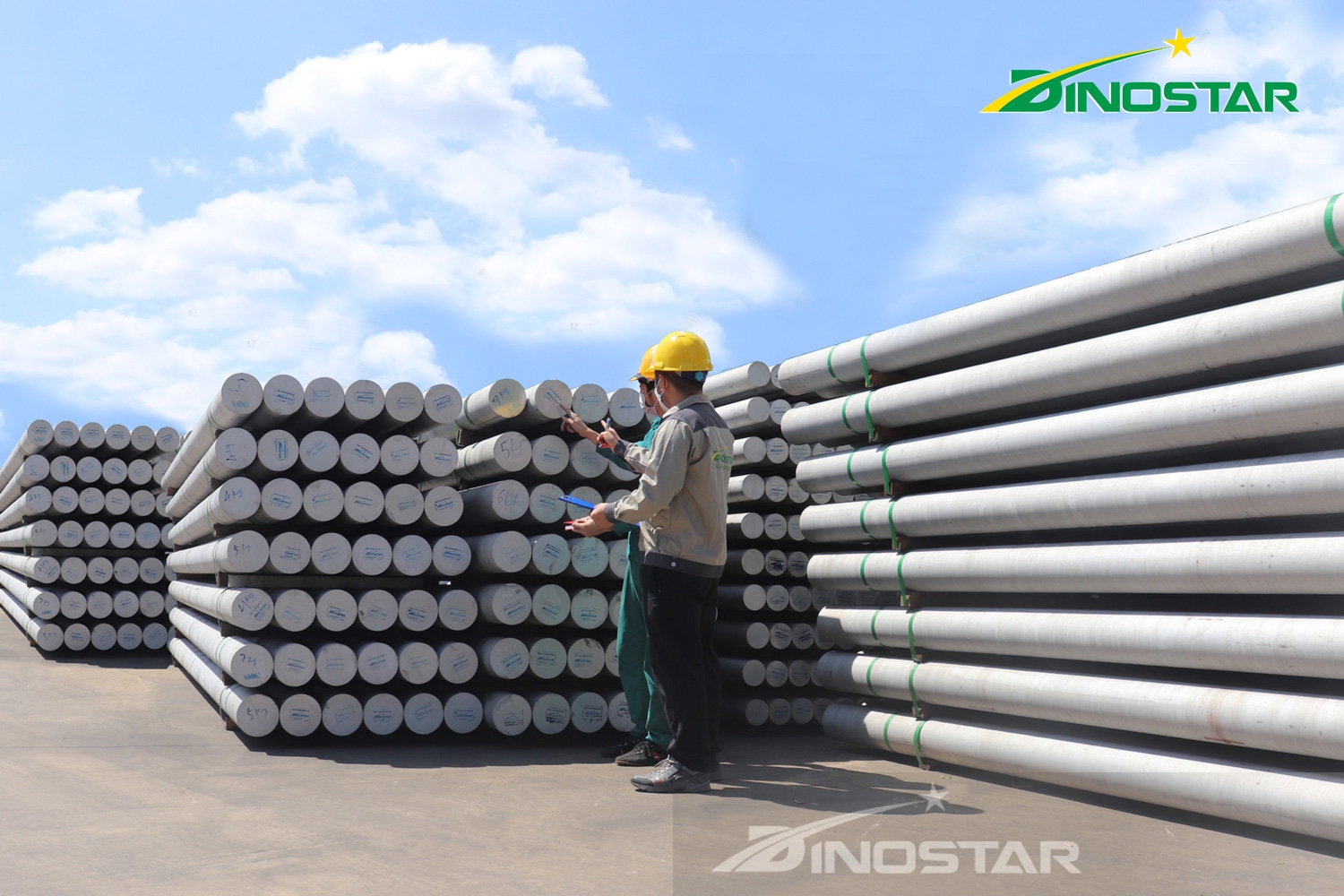
However, the advantages of 6063 alloy cannot be guaranteed by the material grade alone. Actual billet quality depends on chemical composition, metallurgical conditions, casting processes and homogenization treatment. If these factors are not properly controlled, extrusion performance, profile uniformity and the surface quality of finished products may all be affected.
Therefore, billet is more than just an input material. It is one of the key factors determining the operational stability of the entire aluminium extrusion production chain.
Dinostar 6063 Aluminium Billet – Consistent Material Quality, Optimized Extrusion Efficiency
At Dinostar Aluminium, billet quality is assessed not only through the characteristics of individual billets but also through the ability to maintain consistency across production batches. In industrial extrusion operations, uniform input materials play a direct role in setting operating parameters, controlling finished-product yield and organizing production schedules.
Through our metallurgical systems and quality control processes across 6063 aluminium billet manufacturing, we aim to maintain consistency in alloy composition, metallurgical structure and material properties in accordance with technical requirements. This provides customers with a reliable foundation for managing billet heating, extrusion and surface treatment processes, while minimizing unexpected variations caused by input materials.
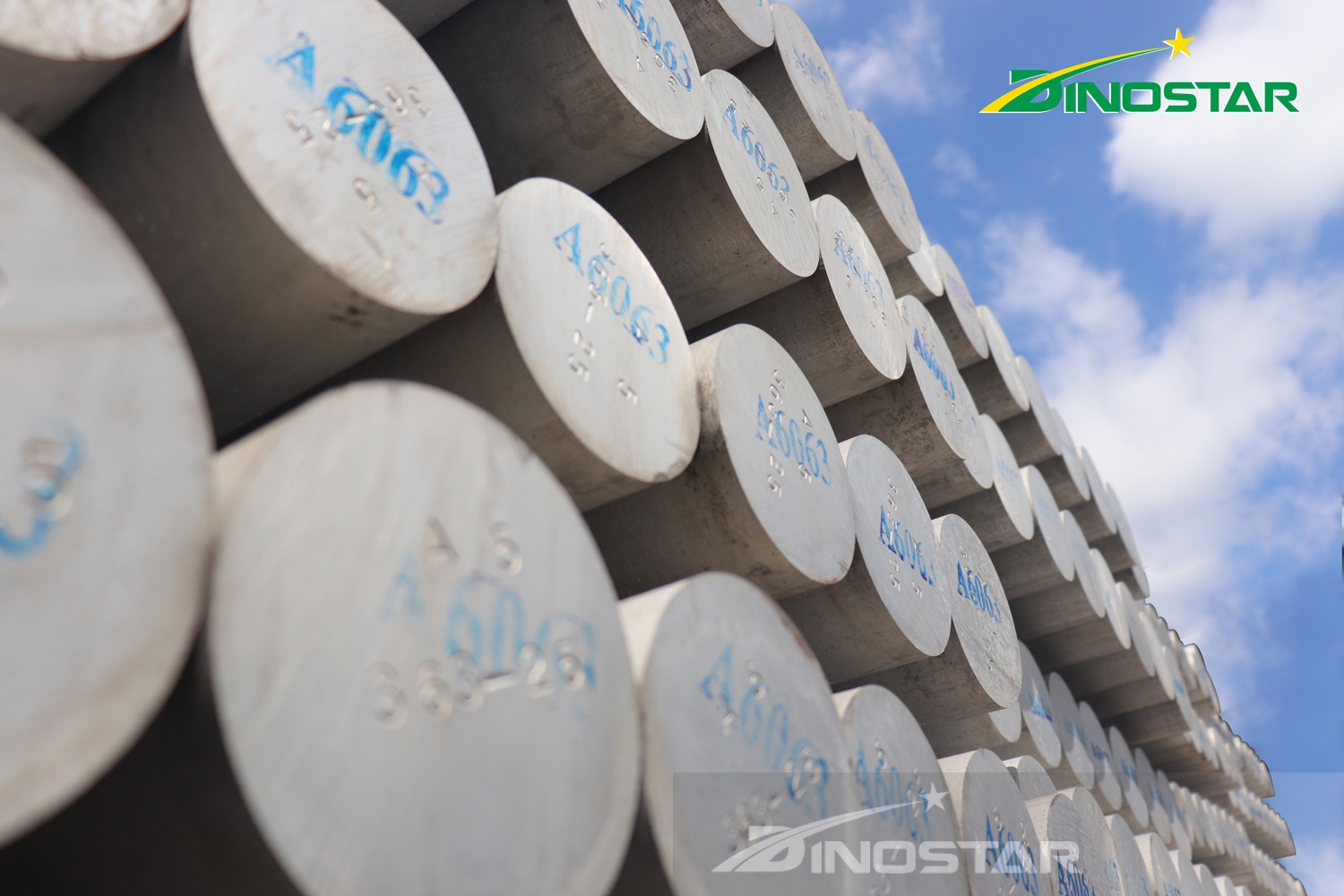
With consistent billet quality, extrusion manufacturers are better positioned to optimize operating speeds and parameters, minimize defects, reduce material losses and improve the quality of finished profiles.
The value of billet therefore extends beyond material specifications; it is also reflected in the production efficiency it helps deliver.
With a diverse portfolio of aluminium products serving multiple industries, Dinostar Aluminium focuses on connecting its raw material manufacturing capabilities with customers’ actual production needs. Our goal is not simply to supply billets that meet technical requirements, but also to build long-term partnerships that help customers establish stable manufacturing processes and strengthen their competitiveness.
Green-Oriented Billet Production – Optimizing Resources and Moving Towards Lower Emissions
Alongside quality requirements, the aluminium industry is placing increasing emphasis on energy efficiency and responsible material sourcing throughout the manufacturing process.
In response to this trend, Dinostar Aluminium is committed to optimizing operational efficiency, improving energy utilization and prioritizing the use of recycled materials where appropriate to meet product quality requirements.
Effective material management, reduced production losses and continuous process improvements not only contribute to manufacturing efficiency but also provide a foundation for gradually reducing environmental impacts.
Green-oriented production is therefore about more than increasing recycled content. It requires an integrated approach combining material management, quality control and energy optimization.
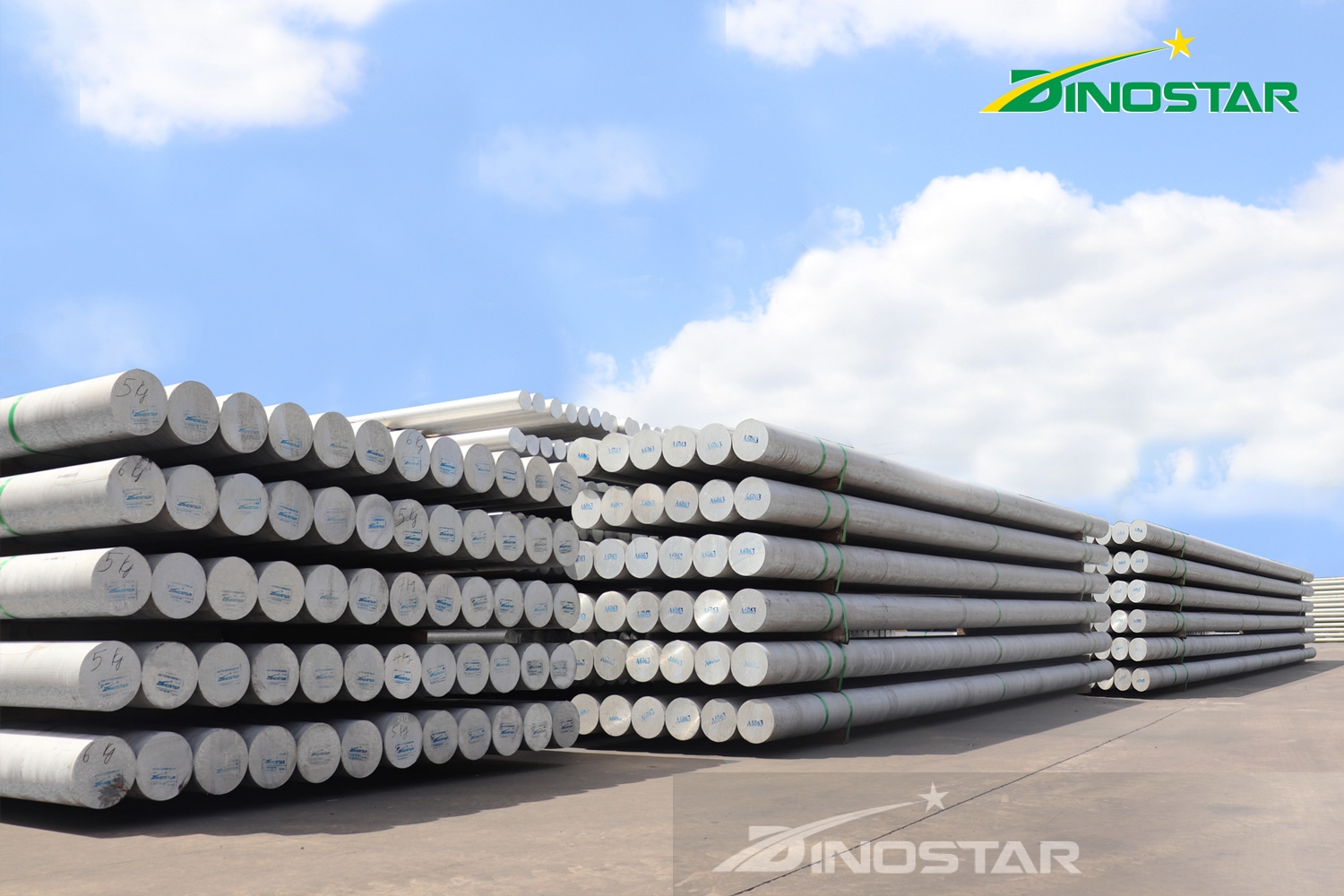
In the long term, these improvements can contribute to reducing the carbon intensity of products while supporting customers in meeting increasingly stringent environmental and sustainability requirements across global supply chains.
This direction is aligned with the development of the global aluminium industry, where material quality and environmental responsibility are becoming increasingly interconnected.
Starting with Aluminium Billet to Create Value Across the Entire Production Chain
A precision-engineered aluminium profile is not simply the result of advanced extrusion technology. Behind its quality lies the coordination of multiple factors, from alloy composition and metallurgical structure to heat treatment conditions and input material control.
With 6063 aluminium billet, Dinostar focuses on these essential foundations: metallurgical control, consistency across production batches, improved extrusion efficiency and a commitment to more environmentally responsible manufacturing processes.
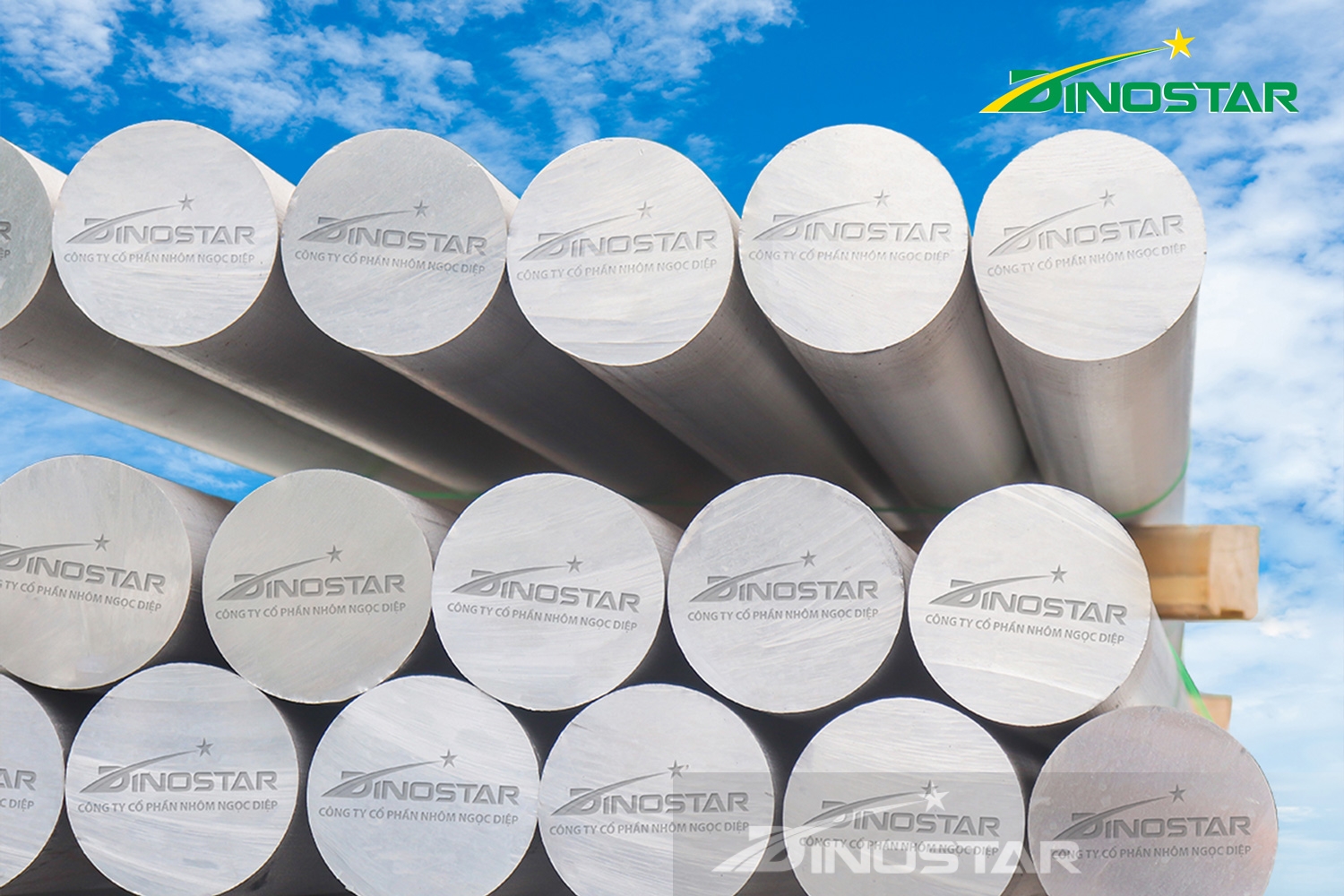
Because the quality of an aluminium profile is not created solely at the final stage of production. It begins with the aluminium billet itself – the foundation of precision, efficiency and sustainable value throughout the entire aluminium extrusion production chain.