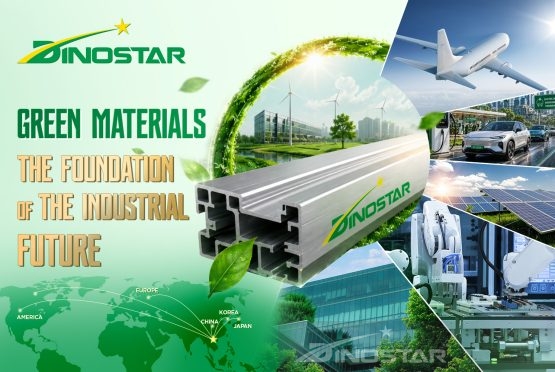
THE WORLD IS ENTERING THE GREEN ENERGY RACE AND ALUMINUM IS BECOMING AN ESSENTIAL MATERIAL
From the United States and Europe to China and the Middle East, trillions of dollars are being invested in renewable energy to accelerate Net Zero goals and reduce global carbon emissions. Among these investments, solar energy has emerged as one of the fastest-growing sectors in the global energy industry.
Yet behind vast solar farms and next-generation power plants lies more than a race for technology—it is also a race for advanced materials.
The energy systems of the future require more than the ability to generate clean electricity. They also depend on materials capable of delivering long-term performance, withstanding harsh environmental conditions, and maximizing efficiency across the entire system lifecycle.
This is why aluminum is playing an increasingly critical role in the global solar industry.
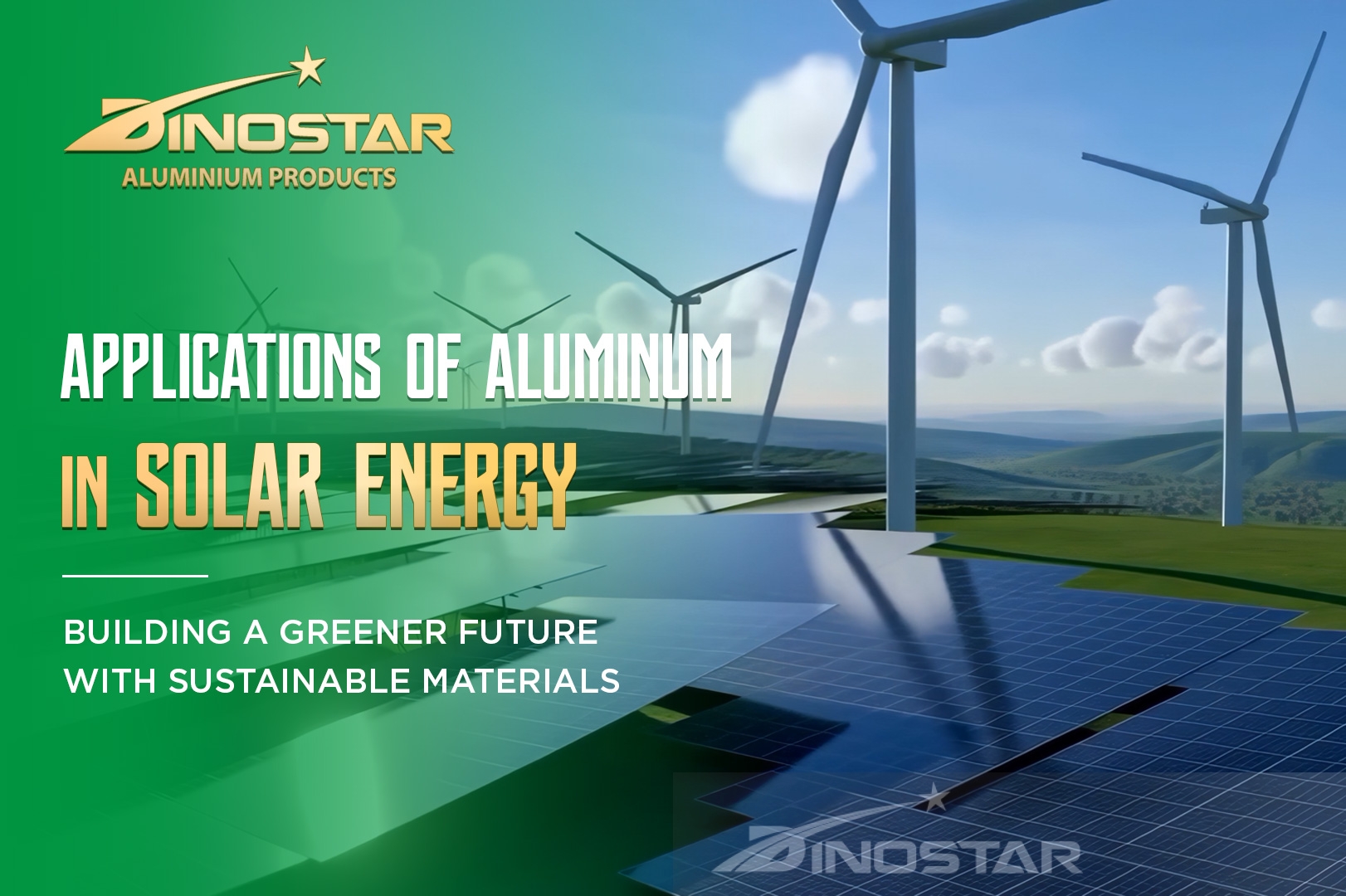
WHY IS THE SOLAR INDUSTRY INCREASINGLY CHOOSING ALUMINUM?
In modern solar energy systems, material selection affects not only structural durability but also operational efficiency, maintenance costs, and overall project lifespan.
Compared with many conventional materials, aluminum offers several advantages that make it ideally suited for renewable energy applications:
• Lightweight properties that optimize structural design and reduce system loads
• Excellent corrosion resistance for long-term outdoor operation
• Proven durability across diverse climate conditions
• Ease of fabrication for complex engineering components
• Near-infinite recyclability, supporting the global transition toward sustainable materials
Today, aluminum is widely used in:
• Solar mounting systems
• Solar panel frames
• Engineered support structures
• Renewable energy infrastructure
• High-durability outdoor industrial components
More than a supporting material, aluminum is becoming an integral part of next-generation green energy infrastructure.
A NEW COMPETITIVE LANDSCAPE FOR INDUSTRIAL MATERIALS
The rapid expansion of the solar sector is also raising expectations for industrial material manufacturers.
Where competition was once largely driven by production capacity and pricing, manufacturers are now being evaluated on:
• Technical consistency and reliability
• Precision manufacturing capabilities
• Surface quality and finishing performance
• Product durability and lifecycle performance
• Automation capabilities
• Commitment to sustainable development standards
As a result, manufacturers must invest not only in scale, but also in advanced technologies, operational excellence, and the ability to meet the evolving international standards of the future energy industry.
DINOSTAR ALUMINUM AND THE FUTURE OF ENERGY INFRASTRUCTURE
In response to these trends, Dinostar Aluminum is steadily expanding its capabilities in producing high-precision industrial aluminum profiles designed for emerging energy sectors that demand superior quality, technical accuracy, and long-term performance.
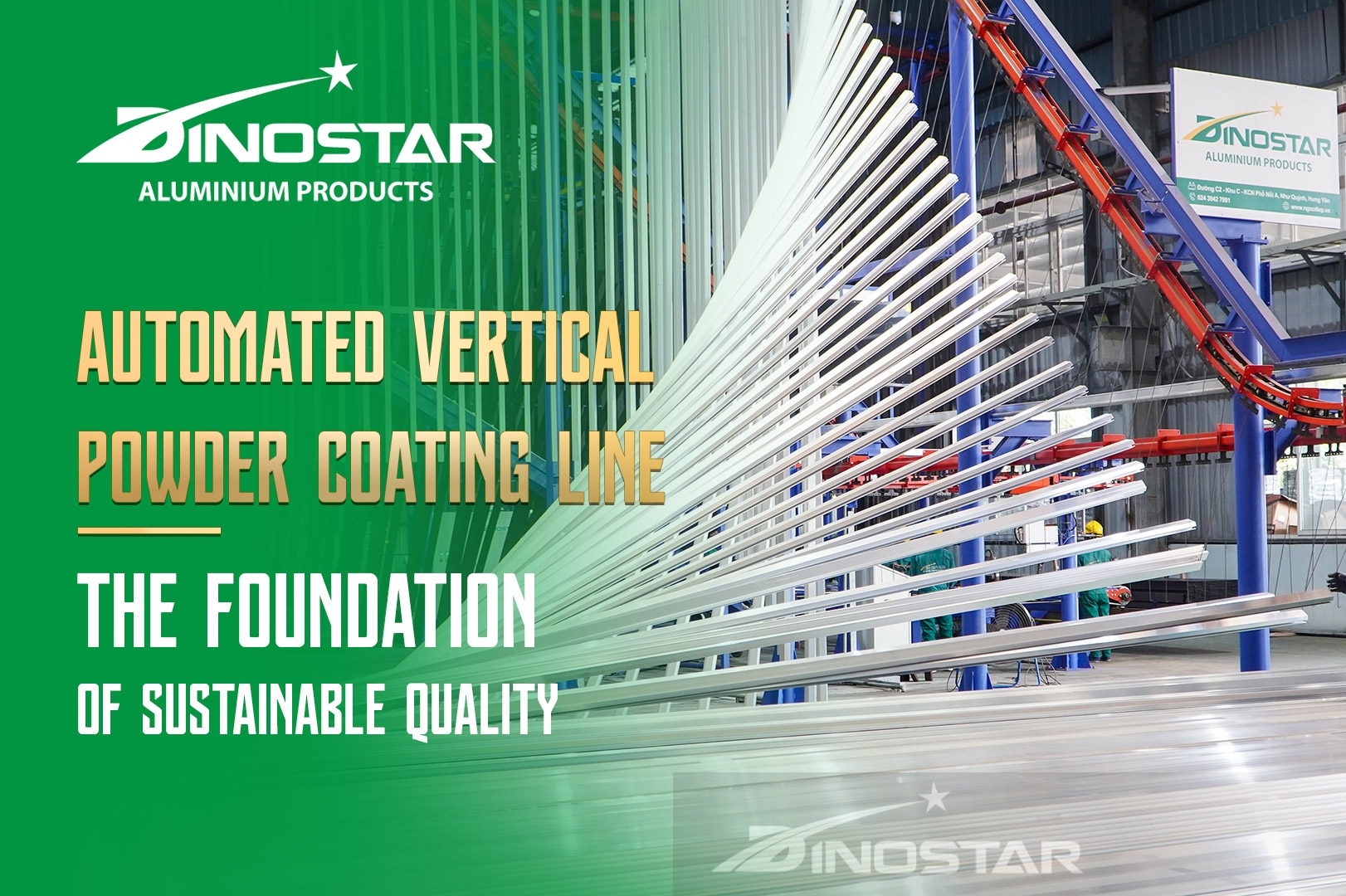
Supported by modern manufacturing facilities, highly automated production lines, and a Green Manufacturing strategy, Dinostar focuses on enhancing product consistency, optimizing production efficiency, and developing material solutions aligned with the global transition toward sustainable industry.
Aluminum is no longer only a material for construction or traditional manufacturing. It is becoming a fundamental component of the energy infrastructure of the future.
This is the path Dinostar Aluminum is committed to pursuing—integrating more deeply into the global green industrial supply chain and contributing to the world’s sustainable development journey.