FROM AEROSPACE TO HIGH-TECH INDUSTRIES, THE RACE FOR ADVANCED ALUMINUM MATERIALS HAS BEGUN
For decades, industries have competed through technology, scale, and automation. Today, however, the next phase of global industrial development is shifting the competition toward something even more fundamental—the materials that form the foundation of modern products.
In sectors such as aerospace, high-speed rail, advanced electronics, and precision engineering, materials are no longer judged solely by their durability or manufacturability. Instead, they must meet increasingly demanding requirements: lighter weight for greater energy efficiency, higher precision for superior performance, and greater stability to support increasingly sophisticated technologies. This is precisely why aluminum is emerging as one of the strategic materials of modern industry.
WHY IS THE AEROSPACE INDUSTRY INCREASINGLY RELYING ON ALUMINUM? In aerospace, every kilogram matters. Weight directly impacts fuel consumption, operational performance, and long-term economic efficiency. Lighter materials can reduce overall aircraft weight, optimize engine performance, and lower carbon emissions throughout the entire operational lifecycle. However, lightweight performance alone is not enough. Aerospace-grade materials must also deliver:
• High strength and structural rigidity
• Excellent corrosion resistance
• Superior technical stability
• Precision machining capability
• Consistent quality across large-scale production
These requirements explain why aluminum continues to expand its role across high-tech industries, offering an optimal balance between weight reduction, durability, and engineering performance.
THE NEW COMPETITION IN THE GLOBAL ALUMINUM INDUSTRY
The rapid growth of electric vehicles (EVs), AI factories, smart manufacturing, and advanced technology sectors is reshaping the global materials market and creating an entirely new competitive landscape. Where aluminum producers once competed primarily on production capacity and pricing, today’s industry leaders are increasingly differentiated by:
• Precision manufacturing capabilities
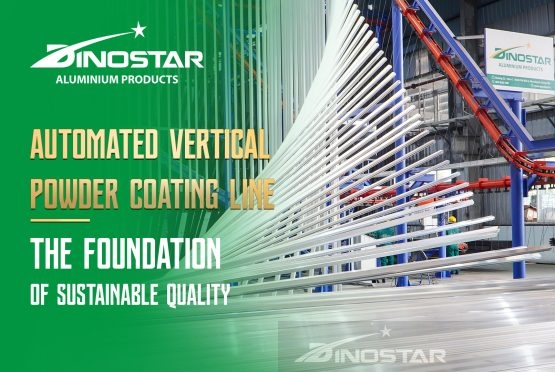
• Automation and smart production systems
• Surface quality and finishing performance
• Technical consistency and reliability
• Capability to develop complex engineered profiles
• Commitment to sustainable development standards
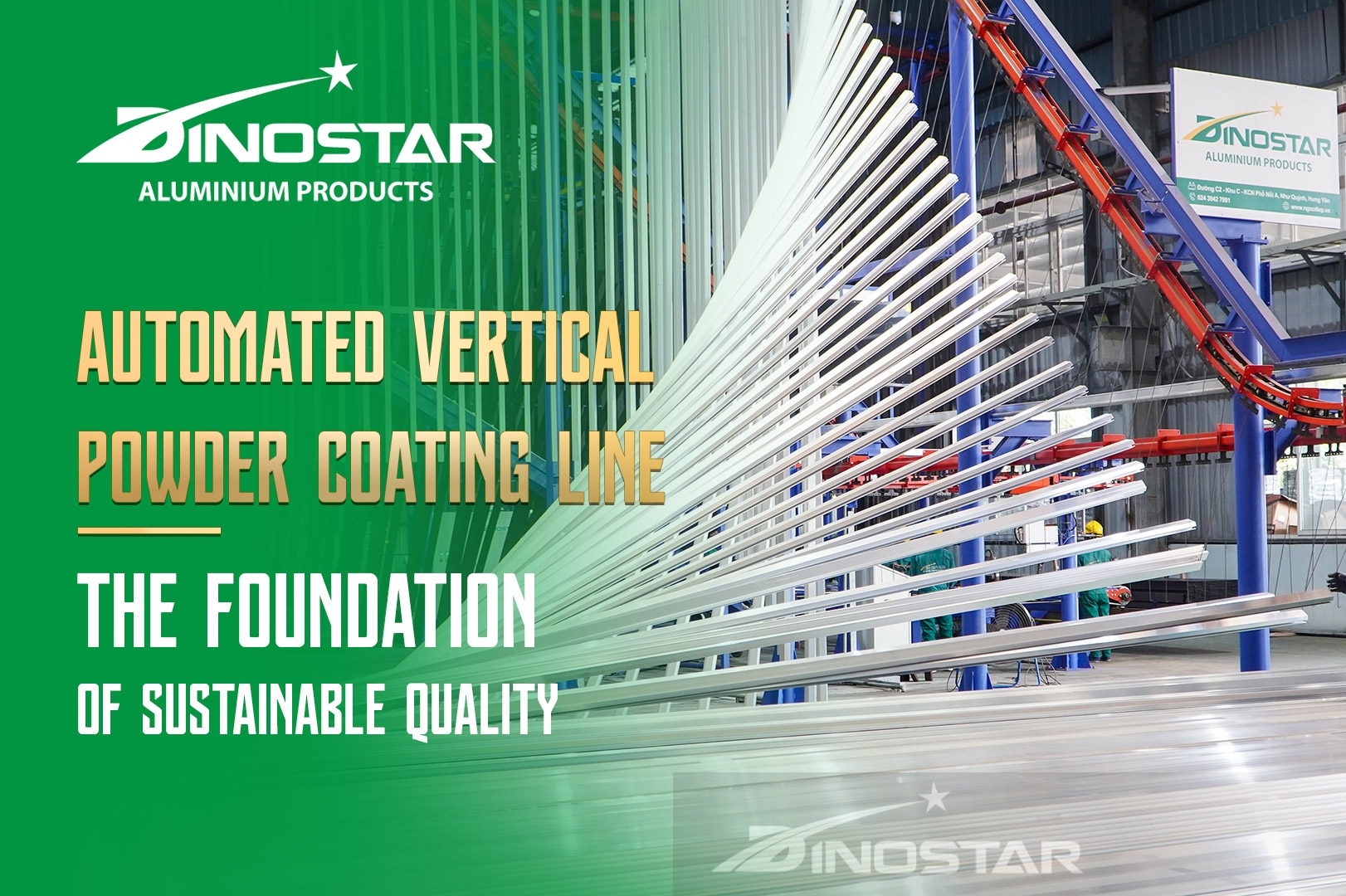
As a result, aluminum manufacturers must invest not only in production scale but also in advanced technologies and specialized engineering expertise. Through long-term investments in automation, next-generation CNC systems, advanced surface treatment technologies, and the development of highly sophisticated technical profiles, Dinostar Aluminum is steadily positioning itself to compete in the next era of global industrial materials manufacturing—where technology, precision, and sustainable production capabilities will define the industry’s most important competitive advantages.